Levels of Support Coordination in Toowoomba: Which One is Right for You?
Getting your head around the NDIS can feel like stepping into a system with its own language, rules and moving parts. You might already have a plan in place, or you could be right at the beginning wondering how everything fits together. That’s where support coordination in Toowoomba comes into the picture, helping you turn your plan into something practical, useful and genuinely life-changing.
But not all support coordination is the same. The NDIS offers three different levels, each designed to suit different needs and situations. Understanding how they work can make a big difference in how confident and in control you feel moving forward.
Let’s break it down in a way that actually makes sense.
Starting Simple – What Is Support Coordination, Really?
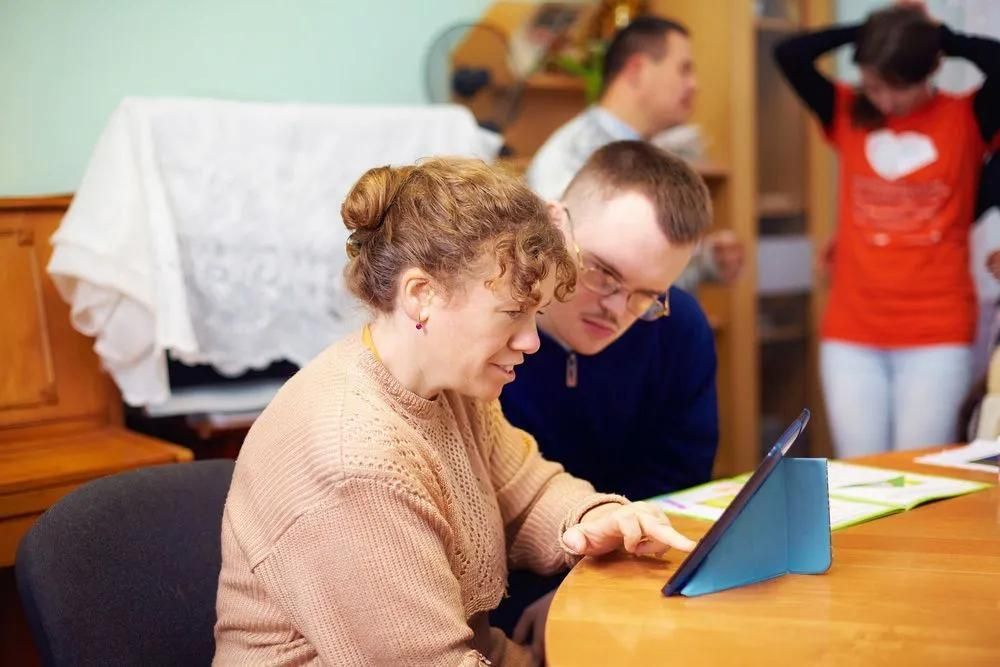
At its core, support coordination is about helping you make the most of your NDIS plan. It’s not just paperwork or phone calls but about building a setup that works for your lifestyle.
That could mean:
- Connecting you with local providers who match your goals
- Explaining how your funding can be used day to day
- Helping you manage bookings, services and changes
- Supporting you when things don’t go to plan
If you’ve ever Googled “support coordination near me,” you’ve probably already felt that need for guidance. The right level of support helps you move from confusion to clarity, without feeling like you’re on your own.
Level One – Support Connection: Getting You Off the Starting Line
Support Connection is the most basic level, but that doesn’t make it any less important. It’s often the right fit for people who feel confident making decisions but need a bit of direction early on.
What it looks like in real life
With Support Connection, we focus on helping you understand your plan and take those first steps. You stay in the driver’s seat, but we point out the best roads to take.
You might use this level if:
- You’ve just received your first NDIS plan
- You want help finding and choosing providers
- You feel comfortable managing things once they’re set up
- Your needs are straightforward and stable
Instead of ongoing involvement, this level gives you a strong starting point. Think of it as a launchpad – once you’re up and running, you may not need much ongoing input.
Level Two – Support Coordination: Bringing It All Together
Now we step things up.
Support Coordination is where things become more hands-on. This level suits participants who have multiple supports, changing needs or a plan that feels a bit harder to manage alone.
Rather than stepping back after the basics, we stay involved to help everything run smoothly.
What we focus on at this level
- Coordinating multiple services so they work together, not against each other
- Helping you adjust supports as your needs shift
- Building your confidence to manage your plan over time
- Troubleshooting issues with providers or services
This level often suits people who want more than just a starting point – they want consistency, guidance and someone who can step in when things get tricky. Here’s a quick comparison:
Level of involvement
- Support Connection – Short-term guidance
- Support Coordination – Ongoing support
Complexity of needs
- Support Connection – Lower
- Support Coordination – Moderate
Focus
- Support Connection – Getting started
- Support Coordination – Managing and improving supports
If your plan includes several services or you’ve had challenges in the past, this level can bring a sense of structure and calm.
Level Three – Specialist Support Coordination: When Things Get Complex
Some situations require a deeper level of experience and support. That’s where Specialist Support Coordination comes in.
This level is designed for participants with more complex needs, including those navigating major life changes, high-risk situations or multiple overlapping challenges.
What makes it different?
Specialist Support Coordination goes beyond organising services. It involves strategic planning, crisis response and working alongside a broader network of professionals.
You might need this level if:
- You’re facing significant barriers to accessing services
- Your situation involves housing instability, health concerns or safety risks
- Multiple services need careful coordination to avoid conflict or gaps
- You require ongoing advocacy or high-level planning
What support can include:
- Developing detailed support strategies that adapt over time
- Working closely with health professionals, therapists and community services
- Managing complex or urgent situations with care and structure
- Helping you build long-term stability, not just short-term fixes
This level isn’t about doing more for the sake of it – it’s about providing the right depth of support when life feels anything but simple.
How Do You Know Which Level Fits Your Situation?
Choosing the right level of support coordination in Toowoomba isn’t about picking the ‘highest’ option. It’s about matching the support to your current needs, goals and confidence.
Here are a few ways to think it through:
Consider your current setup
Do you already have providers in place and feel comfortable managing them?
Are your supports simple, or do they involve multiple services?
Think about your confidence level
Do you feel confident making decisions about your plan?
Would having someone alongside you reduce stress or uncertainty?
Reflect on your goals
Are you aiming to build independence quickly?
Do you need ongoing guidance to reach more complex goals?
Look at past experiences
Have you had trouble coordinating services before?
Did things feel overwhelming or difficult to manage alone?
Your answers can point you toward the level that fits best right now. And remember – your needs can change, and your level of support can change with them.
Why the Right Support Makes a Real Difference
When support coordination matches your situation, everything starts to feel more manageable.
You’re not chasing providers, second-guessing decisions or feeling stuck. Instead, you’ve got a clear plan, the right people around you and the confidence to move forward.
It can mean:
- More time focusing on your goals instead of admin
- Better communication between your services
- Less stress when things shift or challenges arise
- A stronger sense of independence over time
That’s the real value here – not just organising services but creating a setup that works in your everyday life.
Understanding the three levels of support coordination gives you a clearer path through the NDIS. From the simplicity of Support Connection, to the steady guidance of Support Coordination, through to the depth of Specialist Support Coordination – each level plays a role in helping you move forward.
If you’re in Toowoomba and looking for support that feels personal, practical and grounded in real experience, Better Access Support Services works alongside participants locally to make sense of their plans and build support that fits their lives.
If you’re ready to explore your options or want guidance that meets you where you are,
reach out today and see how support coordination Toowoomba locals already use can help you take the next step with confidence.