Independent Living vs. Assisted Living: Key Differences Explained
Choosing the right living arrangement can shape daily life in powerful ways. For older adults and people with disability, the decision often comes down to independent living or assisted living. Each path offers unique benefits, different levels of support and a distinct lifestyle. Understanding these differences helps individuals and families feel confident about the next step.
Across communities like those in
independent living in Toowoomba, more people explore ways to maintain freedom while still receiving the right level of support. The key lies in matching the living environment with personal goals, health needs and preferred lifestyle. Let’s break down how these two options differ and what to consider when planning the future.
Understanding Independent Living – Freedom with Light Support
Independent living focuses on autonomy. Residents live in their own homes, units or community settings while accessing support that helps them maintain control over their daily routine. Instead of structured care throughout the day, support arrives when required.
People who choose independent living often want to:
- Manage their own schedule
- Stay active in the community
- Maintain privacy and personal space
- Receive occasional assistance rather than daily care
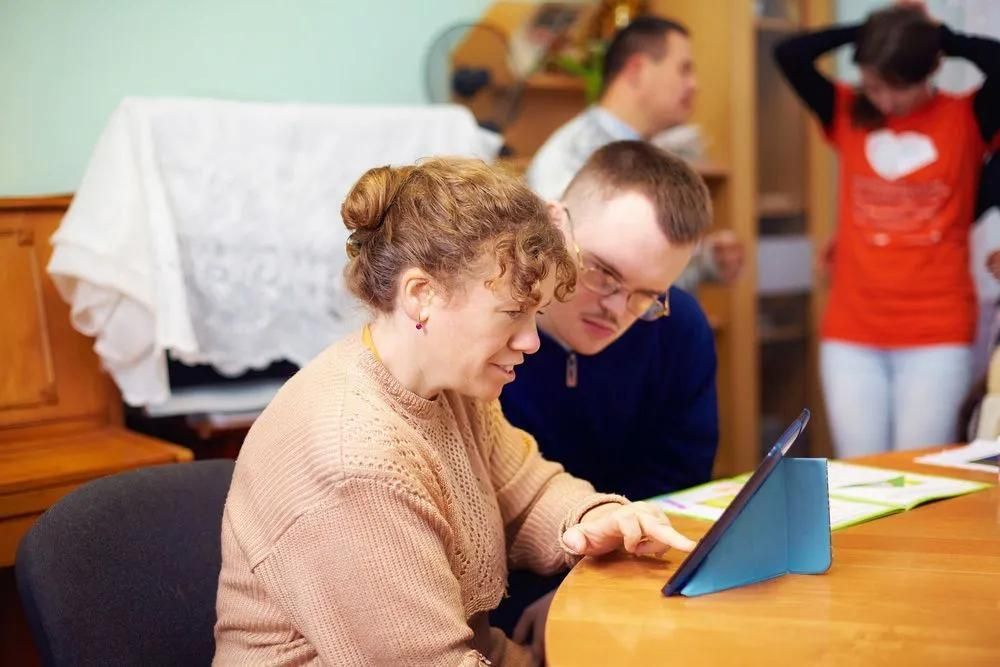
Support may include help with household tasks, community access, transport or building life skills. Under the NDIS, these supports help individuals strengthen independence and participate fully in everyday life.
A person might receive help with meal preparation once or twice a week, guidance with budgeting or transport assistance for appointments and social activities. The goal remains clear – empower individuals to live life on their own terms.
This approach often works well for people who:
- Feel comfortable managing most daily tasks
- Want flexibility in how they live
- Enjoy social connections outside structured care settings
- Value privacy and personal choice
In many cases, independent living in Toowoomba becomes a stepping stone toward greater confidence, allowing people to develop practical skills that support long-term independence.
Assisted Living – Structured Support for Daily Needs
Assisted living takes a different approach. It provides a higher level of day-to-day care in a shared or supported residential environment. Residents still maintain personal independence where possible, though staff offer regular help with everyday activities. Some examples of typical support in assisted living may include:
- Daily meal preparation
- Medication reminders or administration
- Personal care such as dressing & hygiene
- Laundry & housekeeping
- Health monitoring
- Social programs & organised activities
These services suit individuals who require ongoing support to manage daily routines. Rather than coordinating multiple supports individually, assisted living places them within one structured environment.
For families, assisted living often brings peace of mind because staff remain available around the clock. For residents, it offers consistent support that removes the pressure of managing care independently.
However, the environment tends to be more structured. Schedules, mealtimes and care routines may follow a set pattern to accommodate multiple residents.
Lifestyle Differences That Shape Daily Life
When people weigh independent living against assisted living, lifestyle plays a major role. The day-to-day experience differs significantly between the two.
Independent living lifestyle
Life tends to look similar to living in a private home. People plan their day, choose their activities and arrange support when required. Some key lifestyle features include:
- Greater personal freedom
- Flexible routines
- Opportunity to build independence skills
- Community participation & social outings
Assisted living lifestyle
The environment becomes more structured, with staff coordinating daily routines and care. Examples of common lifestyle characteristics include:
- Regular meal schedules
- Scheduled activities or group events
- Staff support throughout the day
- Reduced responsibility for household management
Neither option stands above the other. The right choice depends entirely on individual needs and comfort levels.
Health Needs & Support Levels
Health considerations often influence the decision between these two options.
People living independently usually manage their health with occasional support. They might attend appointments with assistance, receive reminders for medication or access community programs to maintain wellbeing.
In contrast, assisted living suits individuals who require consistent monitoring or help with daily personal care. Signs that assisted living might be beneficial include:
- Difficulty managing hygiene independently
- Frequent medication support needs
- Limited mobility affecting daily routines
- Increased safety concerns at home
Independent living in Toowoomba, however, remains suitable when a person can safely manage daily life with minimal support. Many people prefer this option because it preserves their sense of autonomy.
Social Connection & Community Participation
Connection remains essential for wellbeing. Both living arrangements support social interaction in different ways.
Independent living encourages people to build relationships within their community. This might involve local clubs, volunteering, education programs or social outings with support workers. Individuals remain free to create their own social networks.
Assisted living often offers built-in social opportunities through group activities, communal dining and organised events. Residents share a living environment, which naturally creates regular interaction.
Each setting nurtures connection in its own way. The key question becomes how a person prefers to engage socially.
Budget & Funding Considerations
Financial planning plays a major role when comparing living arrangements.
Independent living may involve costs related to housing, personal support services and transport. For NDIS participants, many of these supports can fall under approved funding categories designed to promote independence.
Assisted living typically bundles accommodation, care and services together. Costs can vary depending on the level of support required and the facility providing care. Families often evaluate:
- Housing expenses
- Support worker costs
- Personal care needs
- Community participation funding
Planning early helps individuals understand what support funding may cover and where additional costs might appear.
Questions That Help Guide the Decision
Choosing the right option becomes easier when people reflect on their personal priorities. Asking the right questions often clarifies the path forward. Consider these key factors:
- How much help do I need with daily routines?
- Do I enjoy managing my own schedule?
- Is privacy important to my lifestyle?
- Would structured support reduce stress?
- What type of community environment suits me best?
- What level of support might I need in the future?
These reflections help families align living arrangements with real needs rather than assumptions.
The Growing Demand for Independent Living Support
Across Queensland, more individuals seek ways to live independently while still accessing support when required. Programs designed around independent living Toowoomba demonstrate how community-based support can empower people to stay connected with their surroundings.
Support workers assist with skill building, community participation and practical daily tasks. Instead of limiting independence, these services strengthen confidence and allow individuals to maintain control over their lives.
Many people also benefit from guidance provided by independent living specialists in Toowoomba, who help participants navigate support options, develop independence skills and create living arrangements that match their goals.
Finding the Right Support for Your Situation
Choosing between independent living and assisted living requires thoughtful consideration. Every person brings unique goals, health needs and lifestyle preferences. The right environment should promote dignity, independence and meaningful community connection.
For individuals exploring independent living in Toowoomba, guidance from experienced support providers can make the transition far smoother. At Better Access Support Services, we work with participants across Toowoomba to build independence, strengthen life skills and support meaningful community participation.
If you’re ready to explore your options,
speak with our team today and discover how personalised support can help you achieve greater confidence through independent living in Toowoomba.