Independent Living vs. Supported Accommodation: What’s the Difference?
Choosing the right living arrangement is a significant decision for people with disability and their families. It affects day-to-day independence, wellbeing, safety and long-term goals. Two common options funded through the NDIS are independent living and supported accommodation. While the terms are sometimes used interchangeably, they represent different levels of support and responsibility.
This guide explains the key differences in a clear, practical way, helping NDIS participants understand which option may suit their needs now and into the future. For those exploring independent living in Toowoomba, understanding how these models work can support more confident, informed choices.
What Is Independent Living?
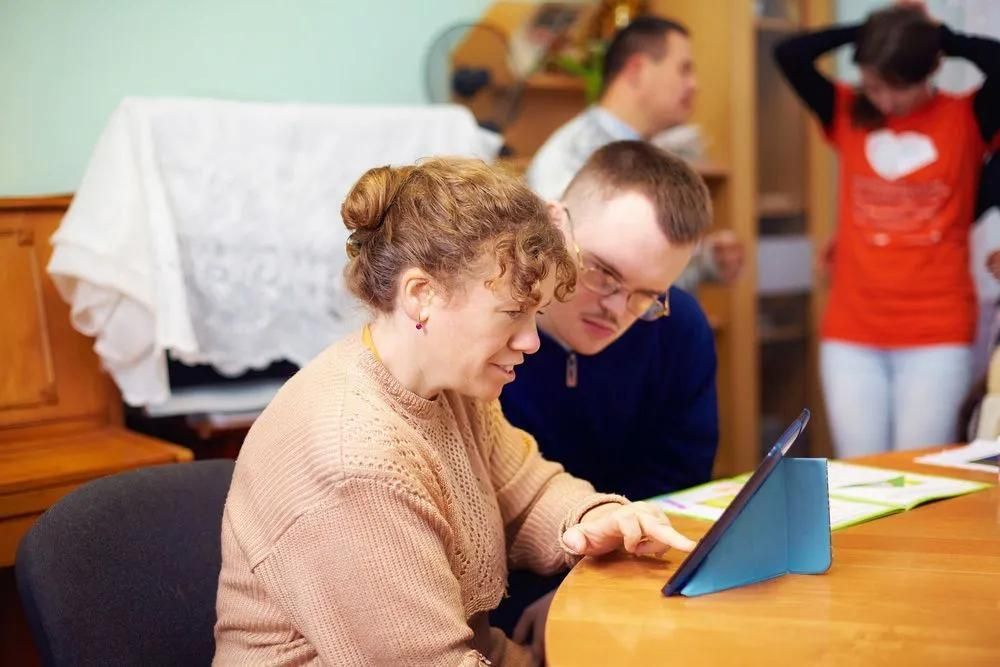
Independent living focuses on supporting people with disability to live as autonomously as possible, either on their own or with chosen housemates. The emphasis is on self-direction, choice and control, with supports tailored around the individual rather than the household. Independent living typically involves:
- Living in your own home or shared accommodation of choice
- Supports delivered based on your goals and needs
- Greater responsibility for daily decisions and routines
- Flexibility in how and when support is provided
For many participants, independent living is about building skills, confidence and self-management while still accessing appropriate assistance.
What Is Supported Accommodation?
Supported accommodation generally provides a higher level of structured support, often in a shared living environment. This option can suit people who require regular or ongoing assistance with daily activities. Supported accommodation usually includes:
- Shared housing arrangements
- On-site or rostered support staff
- Structured routines and shared responsibilities
- Access to communal resources
This model can offer stability and reassurance, particularly for participants who benefit from consistent supervision or support throughout the day.
Key Differences in Daily Living
The most noticeable difference between independent living and supported accommodation is how daily life is managed. Independent living often involves:
- Managing your own schedule
- Making decisions about meals, activities and visitors
- Receiving support at agreed times
Supported accommodation often involves:
- Shared routines
- Set support schedules
- Group-based activities and resources
Neither option is inherently better – suitability depends on personal goals, abilities and support needs.
Levels of Support Provided
Support levels vary widely in both models and can be adjusted through NDIS plans. However, the delivery style is different. Independent living supports may include:
- Assistance with personal care or household tasks
- Skill-building for budgeting, cooking or travel
- Support coordination and community access
Supported accommodation supports may include:
- Daily personal care
- Medication prompts
- Meal preparation
- Overnight or 24/7 staff availability
Understanding the type and frequency of support you require is key to choosing the right option.
Who Is Independent Living Best Suited For?
Independent living is often suitable for NDIS participants who:
- Want greater autonomy and choice
- Can manage some daily tasks independently
- Are building life skills or transitioning from the family home
- Prefer flexible, personalised support
With the guidance of an NDIS provider, participants can explore how supports can be structured to promote independence while maintaining safety.
Who Is Supported Accommodation Best Suited For?
Supported accommodation may be more appropriate for participants who:
- Require frequent or continuous support
- Benefit from structured routines
- Prefer shared living environments
- Need assistance with most daily activities
This option can provide reassurance for families and carers while ensuring participants receive consistent support.
Considering Choice, Control & Lifestyle
A central principle of the NDIS is choice and control. Independent living typically offers more freedom to shape your lifestyle, while supported accommodation offers predictability and structure. Questions to consider include:
- How much independence do I want right now?
- What supports do I need to feel safe and confident?
- Do I prefer living alone or with others?
- How flexible do I want my daily routine to be?
These questions can guide discussions with support coordinators and providers.
NDIS Funding & Planning Considerations
Both independent living and supported accommodation can be funded through the NDIS, depending on assessed needs and goals. Funding arrangements differ, and it’s important to understand what is included. Planning considerations may include:
- Core supports versus capacity-building supports
- Housing costs versus support costs
- Long-term goals for independence
Speaking with experienced providers helps ensure supports align with your plan and future aspirations.
Can Needs Change Over Time?
Yes. Many participants move between living arrangements as their skills, confidence or support needs change. Independent living may be a long-term goal, or a step toward greater autonomy over time. Regular plan reviews allow participants to:
- Adjust support levels
- Explore different living options
- Respond to changing circumstances
Flexibility is an important part of choosing the right pathway.
Making an Informed Decision
There is no one-size-fits-all answer. The right choice depends on personal circumstances, goals and available supports. Taking time to understand both options, asking questions and seeking guidance helps support better outcomes. Working with independent living providers in Toowoomba can help participants and families explore options in a supportive, informed way, without pressure.
Final Thoughts
Independent living and supported accommodation both play important roles in supporting people with disability. Independent living promotes autonomy, self-management and personalised support, while supported accommodation can offer structure, shared resources and higher levels of assistance. Understanding the differences empowers NDIS participants to choose an arrangement that aligns with their goals, abilities and lifestyle – now and into the future.
Explore Independent Living Options in Toowoomba
At Better Access QLD, we support NDIS participants to make informed choices about their living arrangements. If you’re considering independent living in Toowoomba or would like guidance from our team, we're here to help you explore pathways that support independence, safety and quality of life.
Contact us today to learn more about supported independent living options.